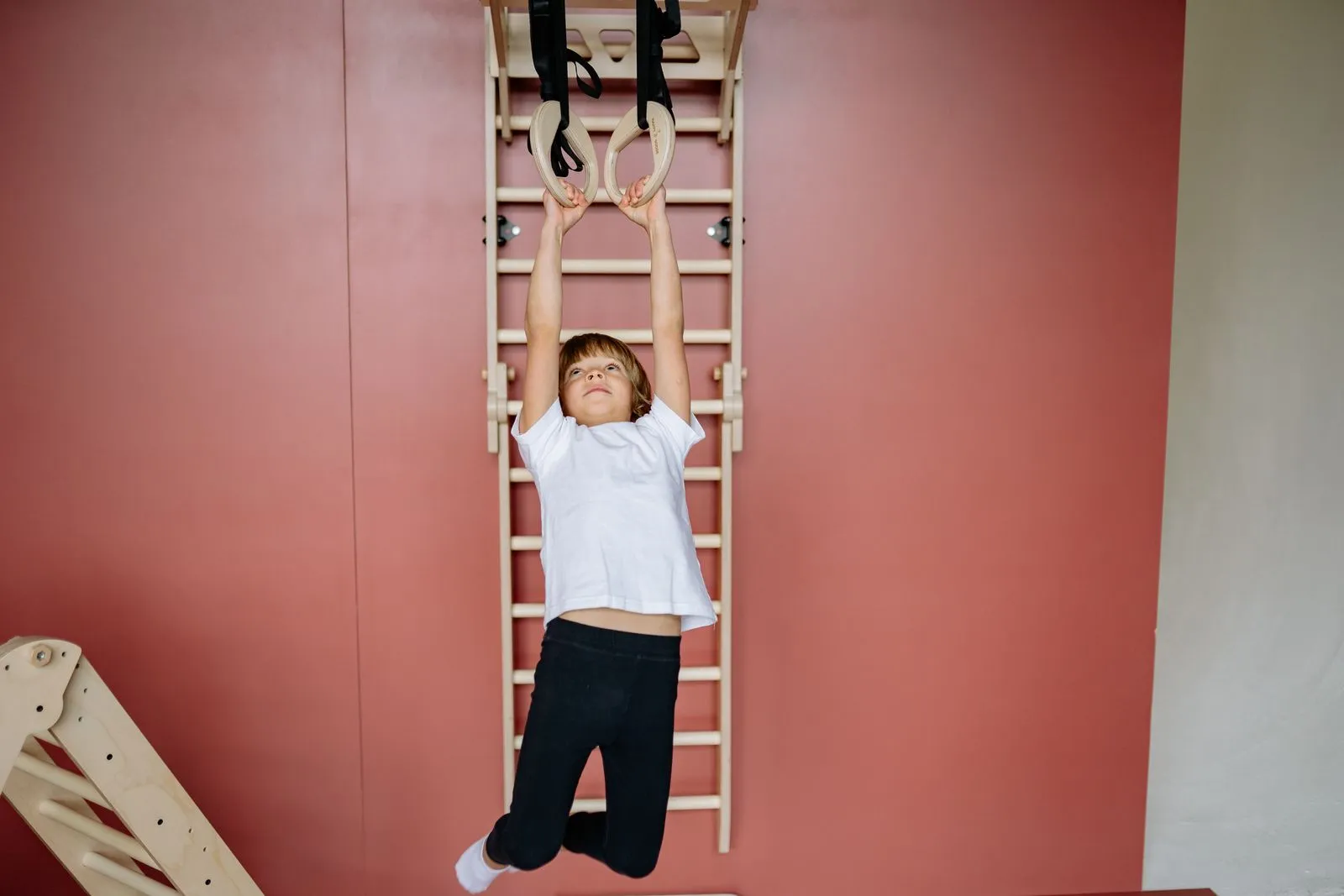
A climbing wall gives kids a clear challenge: find a route, choose where to place their hands and feet, and keep moving safely. Each attempt invites them to notice what works and adjust when it does not. With guidance from adults and room to try at their own pace, young climbers can practice balance, problem-solving, and teamwork in a lively, supportive setting. These skills develop through ordinary moments on the wall, not just reaching the top.
Balance Through Deliberate Movement
Climbing asks children to pay attention to how their bodies move. They practice shifting their weight, keeping their hips close to the wall, and placing a foot carefully on a hold. Small adjustments matter: turning a knee or moving one hand can make the next step feel steadier. Repeating these movements helps kids notice their balance and coordinate their arms and legs.
Adults can support this practice by encouraging children to pause before a move and look for stable footholds. Remind them that slow, controlled movement is useful, and that stepping down or asking for help is always an option. The goal is not to rush upward; it is to make thoughtful choices and stay within the climber’s comfort and ability.
Problem-Solving One Move at a Time
A climbing route works like a puzzle with several possible solutions. Kids scan the holds, consider which ones are reachable, and decide what to try next. If a plan feels awkward, they can pause, reposition, or test a different sequence. This gives them a practical way to practice observation, decision-making, and adapting when their first idea does not work.
Caregivers and instructors can help without solving the route for a child. Try asking, “What do you notice?” or “Which foothold could make that reach easier?” Give the young climber time to answer and experiment. Praise careful thinking and persistence, rather than focusing only on finishing. That keeps the challenge manageable and makes each attempt a chance to learn.
Teamwork On and Off the Wall
Climbing can also create natural opportunities to work with others. Kids may take turns, listen to a partner’s ideas, or offer encouragement while someone tries a route. They learn that support can be simple and specific: waiting patiently, celebrating a thoughtful move, or sharing an observation when invited. These habits help make the gym more welcoming for everyone.
Adults should set clear expectations for sharing space and following gym safety instructions. Encourage kids to ask before giving advice, respect another climber’s turn, and use kind, helpful words. A partner does not need to complete the route to contribute; listening, cheering, and cooperating are meaningful parts of the experience.
Make Practice Safe and Enjoyable
Children build skills best when the challenge matches their readiness. Choose activities that follow the gym’s age and safety guidance, and make sure kids understand the rules before they start. Follow staff instructions about equipment, climbing areas, and supervision. If a child feels tired, uncertain, or uncomfortable, pause and check in rather than urging them to continue.
Keep the focus on what the child is learning, not on comparing their progress with someone else’s. Ask what move felt steady, what they might try differently, or how a partner helped. Short reflections help kids recognize their own effort and growth. Over time, these small observations can make climbing feel less like a test and more like a skill they can keep practicing.
Indoor climbing offers kids practical ways to work on balance, think through challenges, and support one another. With patient guidance, clear safety expectations, and room to try at their own pace, each visit can become a useful learning experience. For families in Duluth, North Shore Climbing is one place to explore youth climbing and ask about options that fit your child.